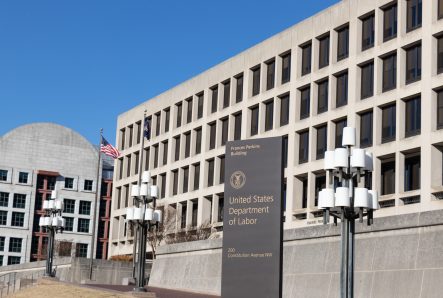
The Fair Labor Standards Act (“FLSA”) sets federal child labor requirements, establishing a floor for maximum hours among minor workers in designated age bands. Even though economic predictions suggest fewer minors will join the workforce this summer than in years past, estimates nonetheless indicate this segment of the workforce will gain almost 800,000 jobs from May through July. Allowable work hours shift during the summer, so employers must ensure they understand their current legal obligations regarding younger workers.
Federal Weekly Hour Limits by Age Group
The FLSA and its implementing regulations regarding youth employment limit minors to working specific hours and times depending on whether school is in session.
16- and 17-Year-Olds
There are no maximum hours for this cohort when working in non-hazardous occupations. For information on the jobs U.S. DOL’s Wage and Hour Division deems hazardous, employers should refer to FLSA regulations at 29 CFR 1910.570.
14- and 15-Year-Olds
This group can work 18 hours per week when school is in session, a max that jumps to 40 hours when school is out – including during summer vacation. In addition to weekly limits, 14- and 15-year-olds can only work three hours each school day, though they can work eight hours on non-school days. Typically, these employees can only work from 7 a.m. until 7 p.m., but the end of the workday extends to 9 p.m. from June 1 through Labor Day. Importantly, DOL considers school to be in session during any week the public school district covering where the minor lives require students to attend for a day or partial day.
Under 14-Year-Olds
This group is generally not permitted to work, outside of agriculture and other limited fields, so there is no set standard for weekly hours.
Work Experience and Career Exploration Program
Though not typically a summer option, another job avenue available to 14- and 15-year-olds is school-supervised and school-administered work experience and career exploration programs (“WECEP”). Minors enrolled in such programs can work up to 23 hours in a school week and up to 3 hours in a school day. In contrast to typical hours restrictions when school is in session, WECEP work may occur during school hours.
When State Law Sets a Lower Weekly Limit
The FLSA acts as a federal baseline regarding child labor hours. Some states have differing work requirements for minor employees, and employers must follow the stricter applicable law. For example,
- Both Maryland and Virginia require minors to secure a work permit before starting a job and prohibit minors from working more than five continuous hours without a 30-minute lunch period.
- DC requires minors to secure a work permit, bars minors from working more than 6 consecutive days in a week, and does not allow 16- and 17-year-olds to work before 6 a.m. or after 10 p.m.
The FLSA requires neither work permits nor breaks, so, it is not enough for an employer to comply with either the FLSA or state law; rather, an employer needs to perform its due diligence concerning which legal frameworks apply.
Confirming Which Weekly Limit Applies to Your Workers
To ensure compliance and mitigate enforcement risk, employers not only must remain aware of federal requirements, but also need to stay attuned to distinct obligations in all jurisdictions where they operate. In addition to the worker’s location, businesses must determine the controlling hours cap based on a minor’s specific age and school status.
Conn Maciel’s nationwide L&E Group, particularly its wage-hour practitioners, stand ready to assist with child labor questions, so please feel free to contact us directly to discuss.